Project journal
Fixed LOG identifiers keep each dated observation identifiable.
LOG-2026-001 · Planting · 4 August 2026
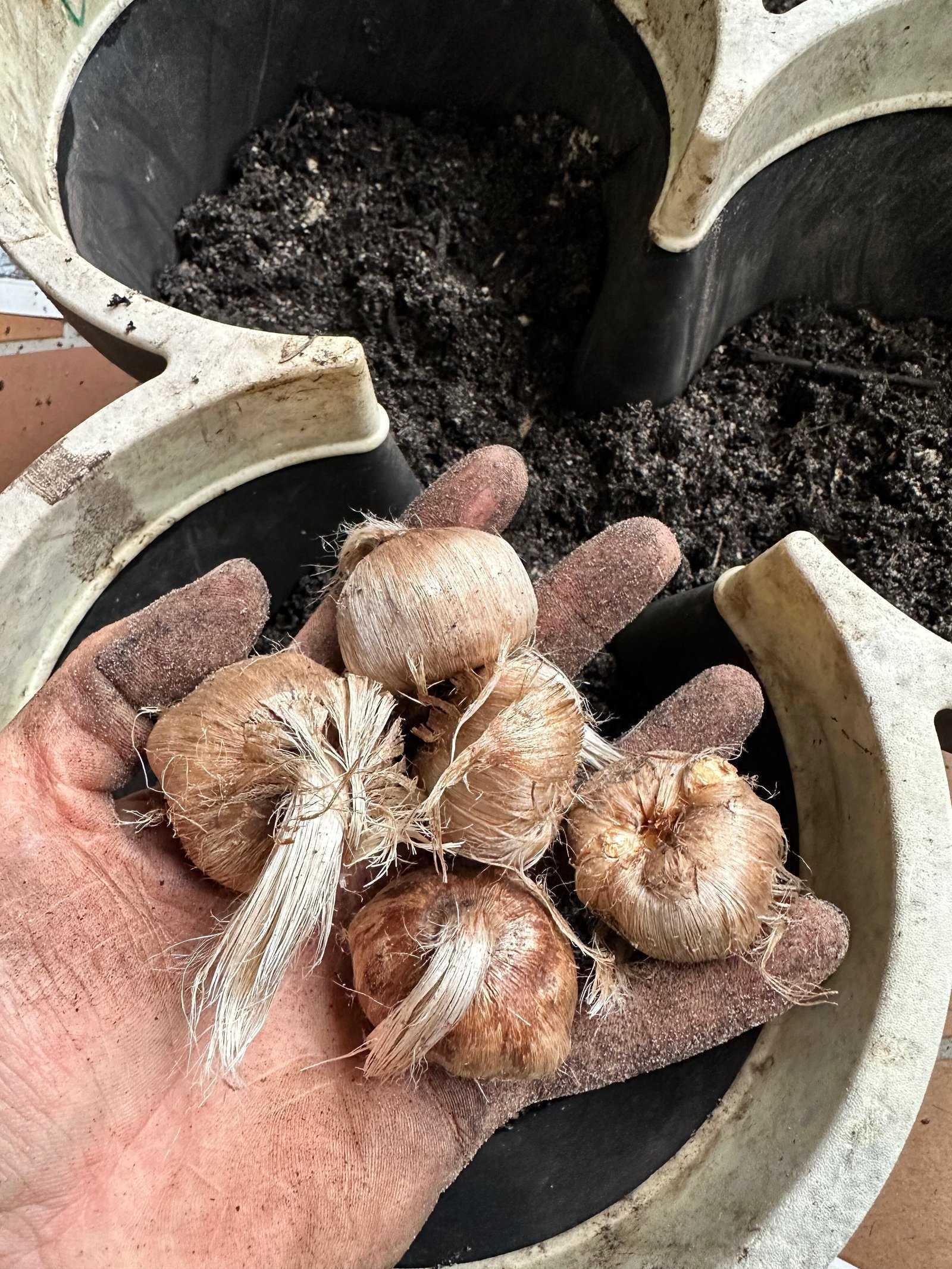
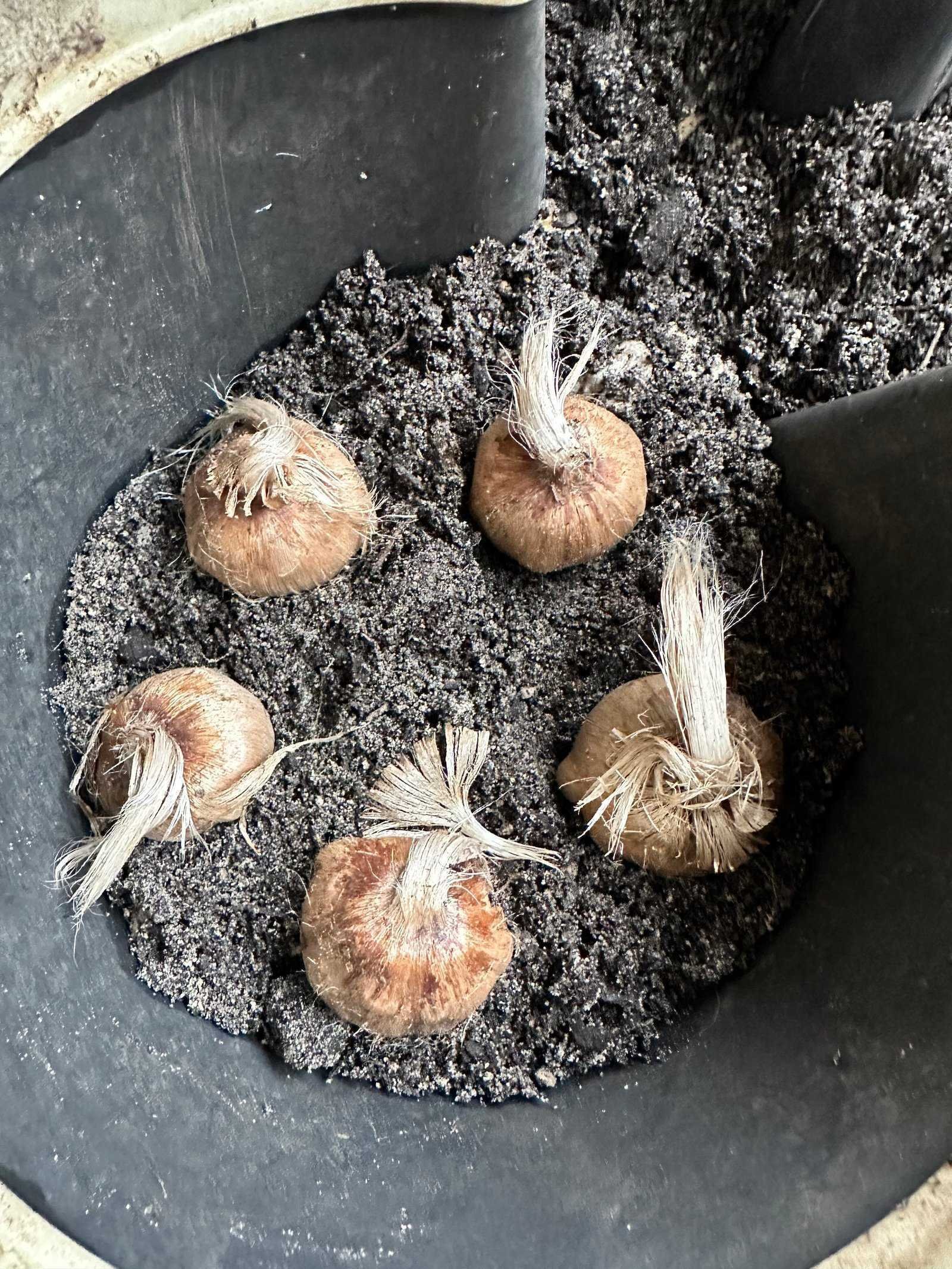
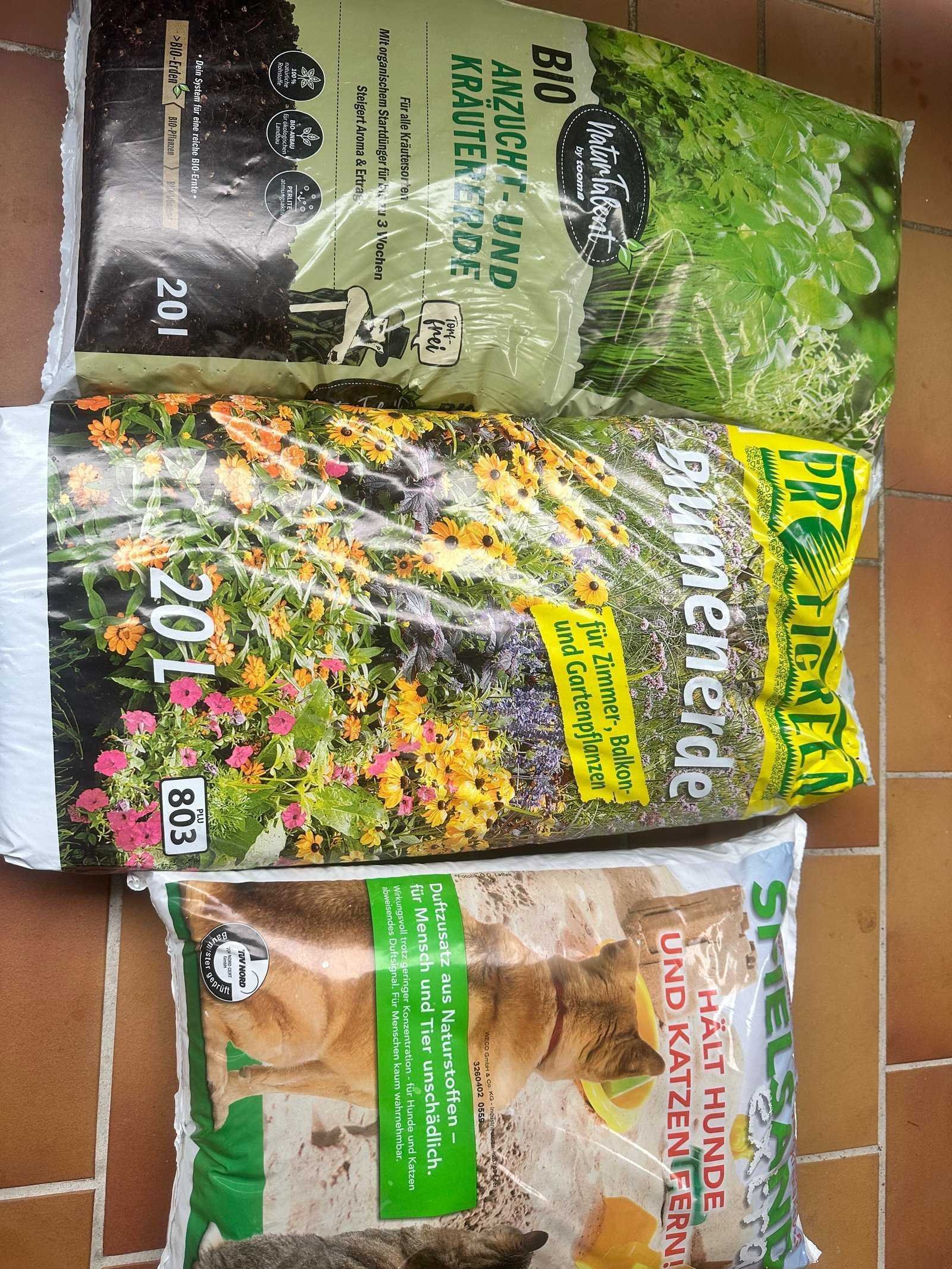
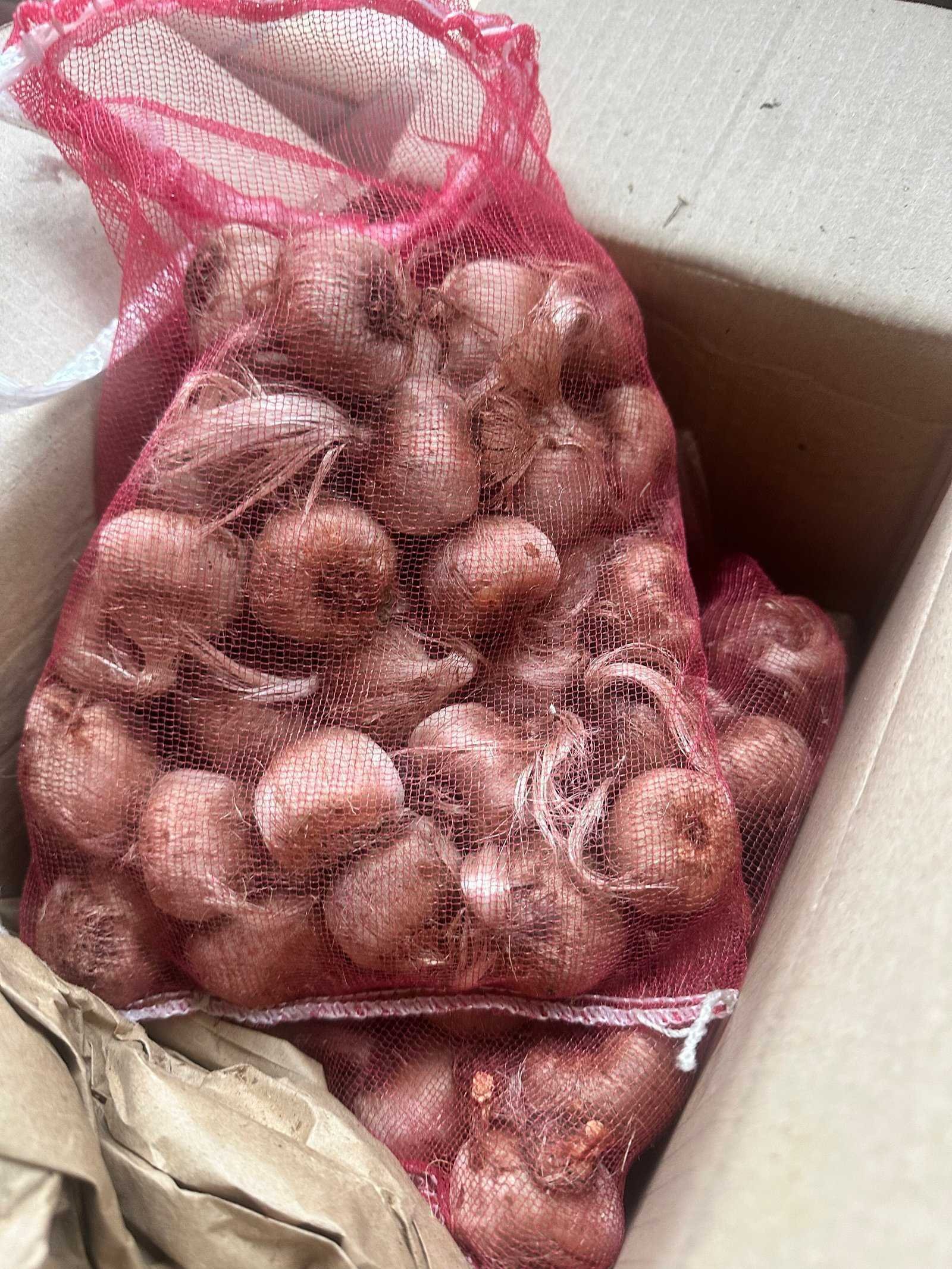
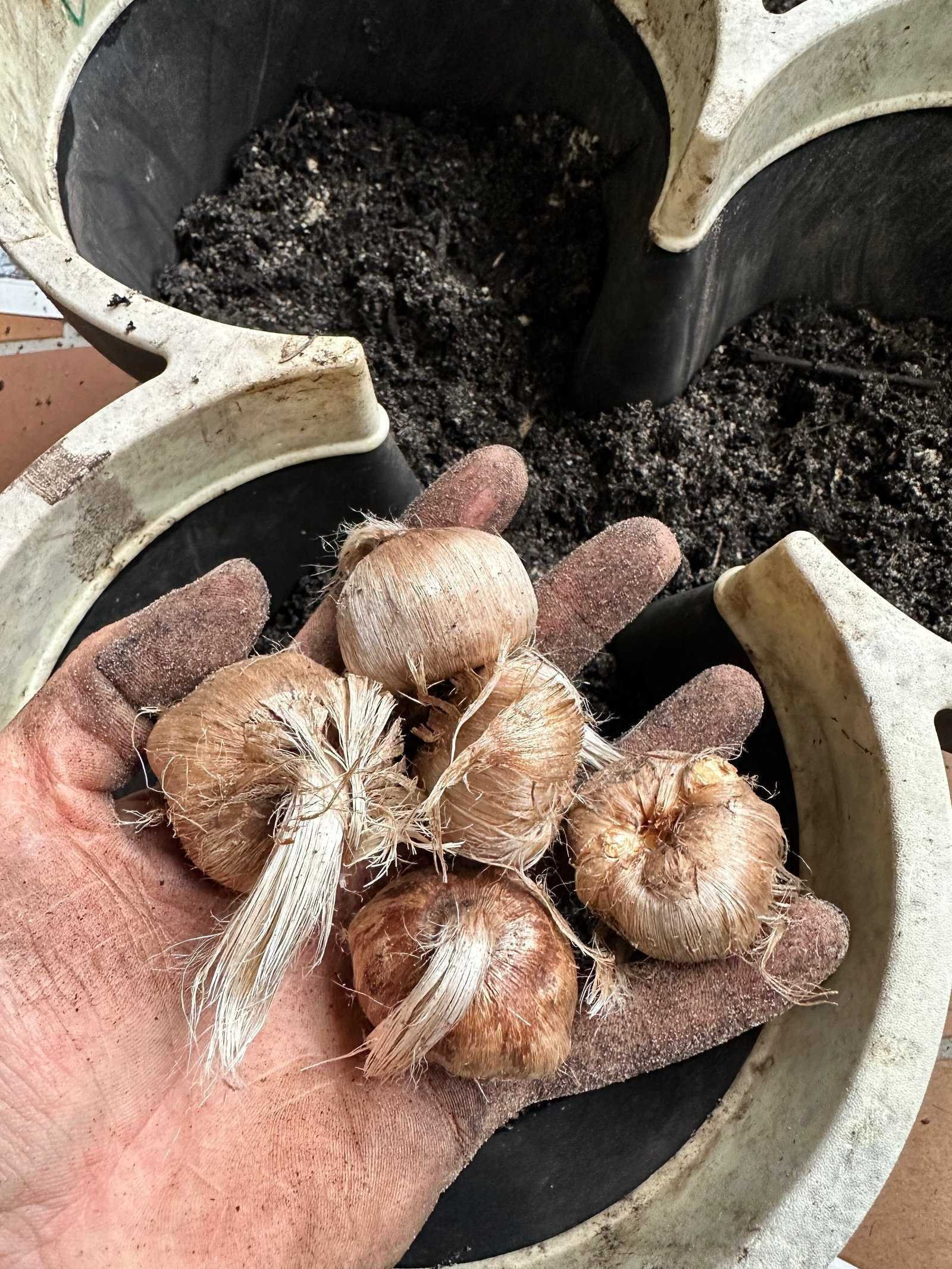
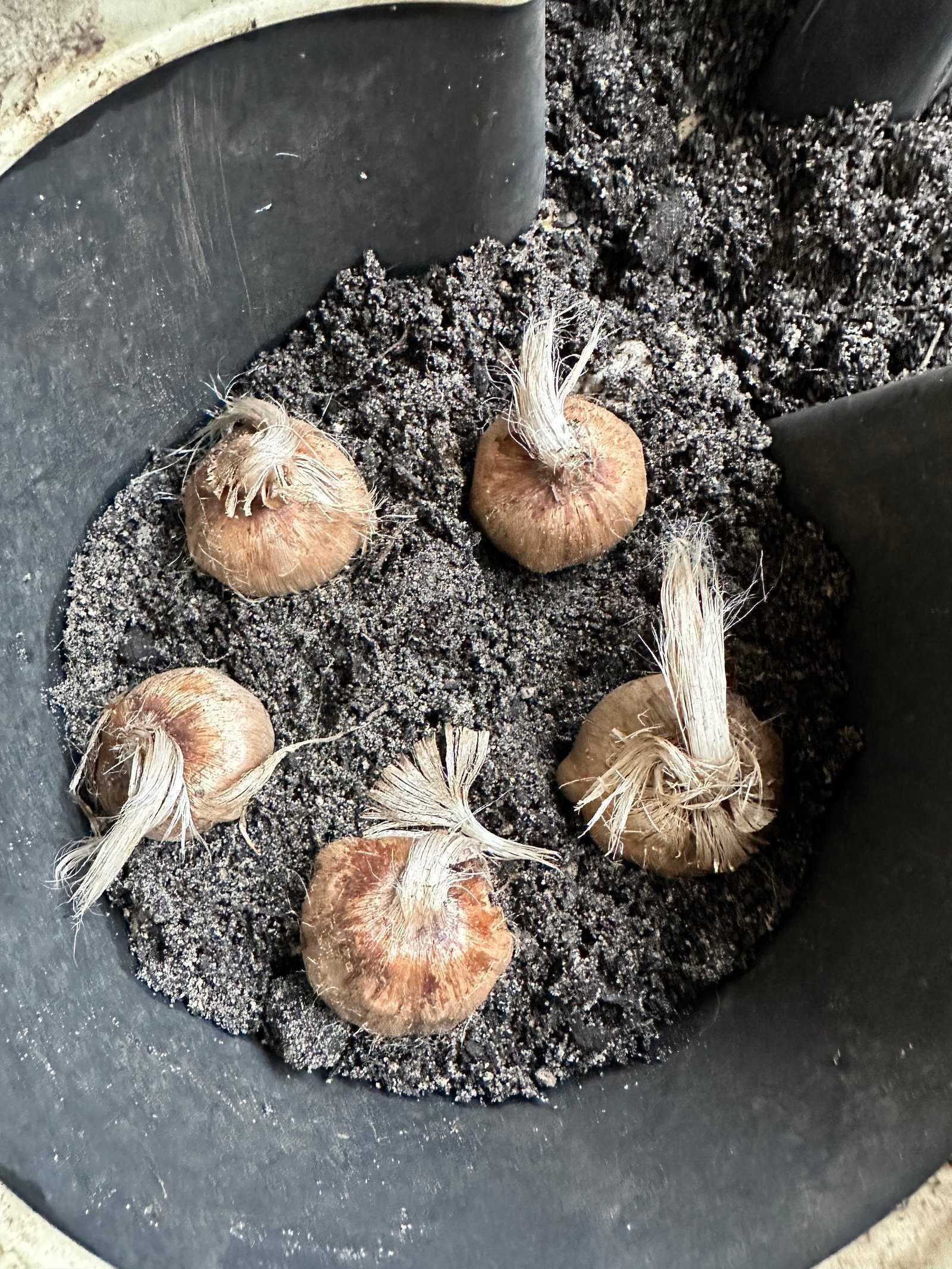
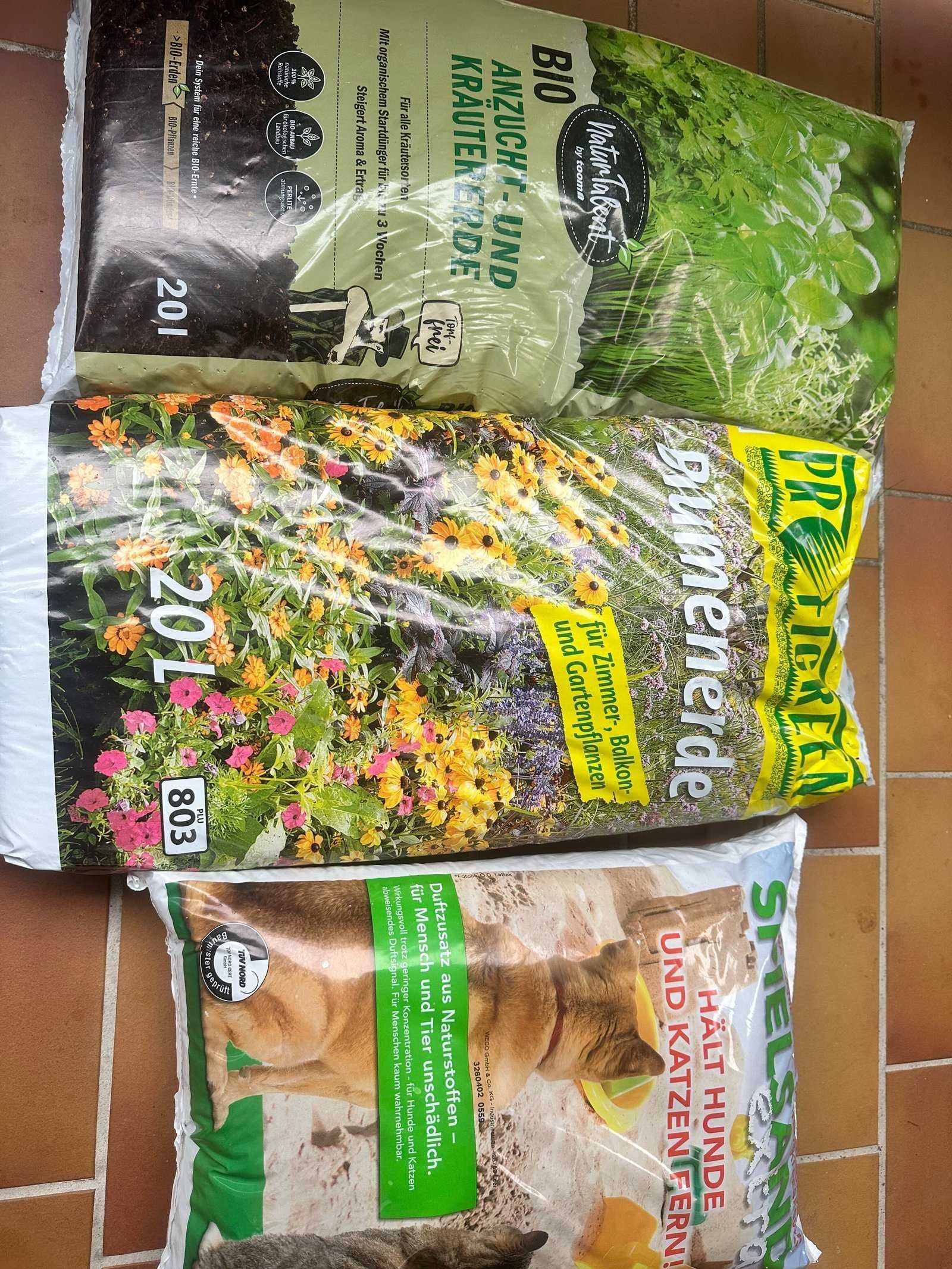
Phase: project start. Location: Schleswig-Holstein. Setup: reported 44 corms, nine units and three substrate variants.
Assessment: a starting record; no biological outcome assessment yet.
LOG-2026-002 · Watering · 5 September 2026
Action: one relatively small watering. Conditions: protected from rain, with direct sunlight.
Observation: no visible change documented at this point.
LOG-2026-003 · Emergence · 18 September–4 October 2026
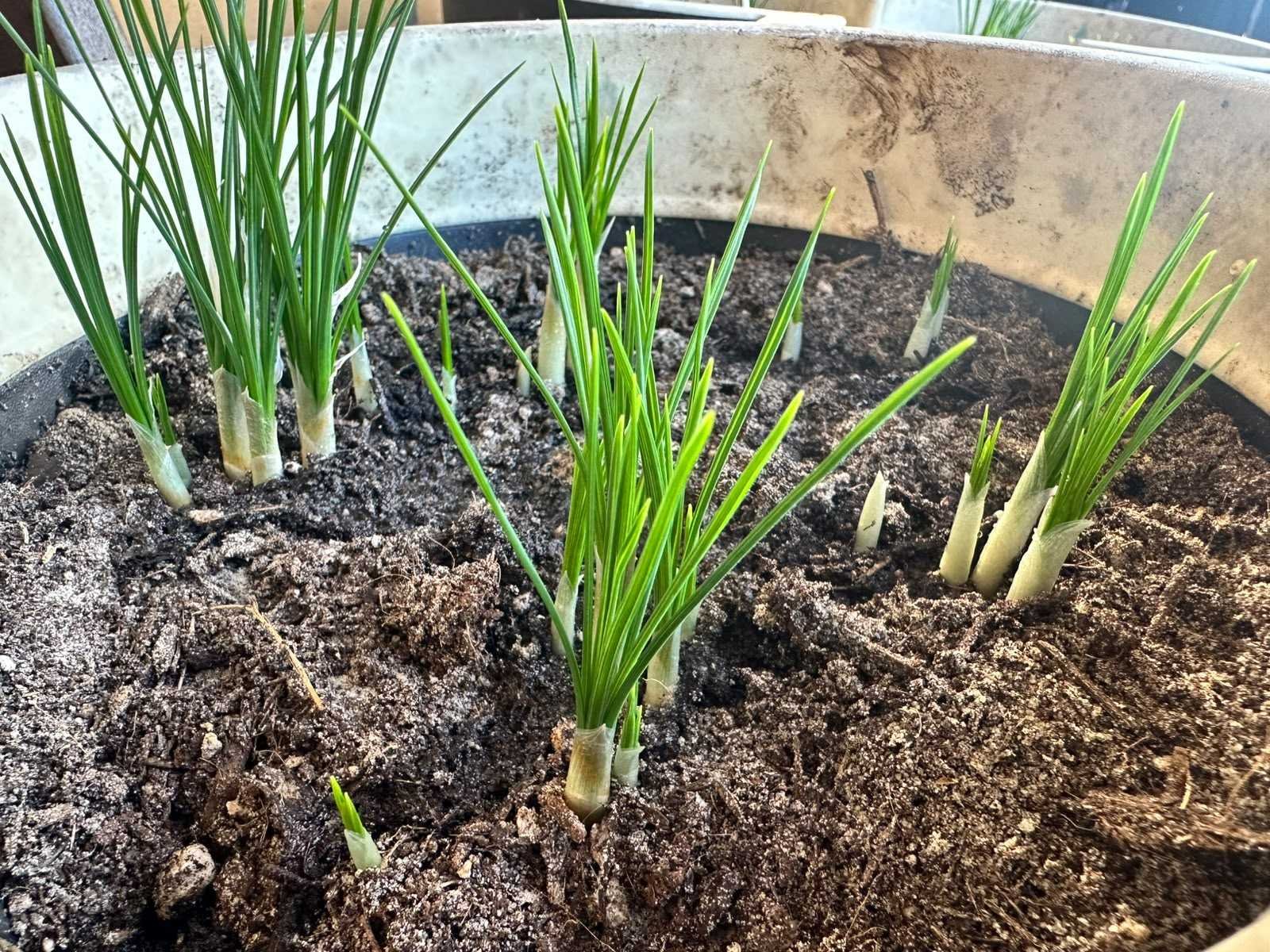
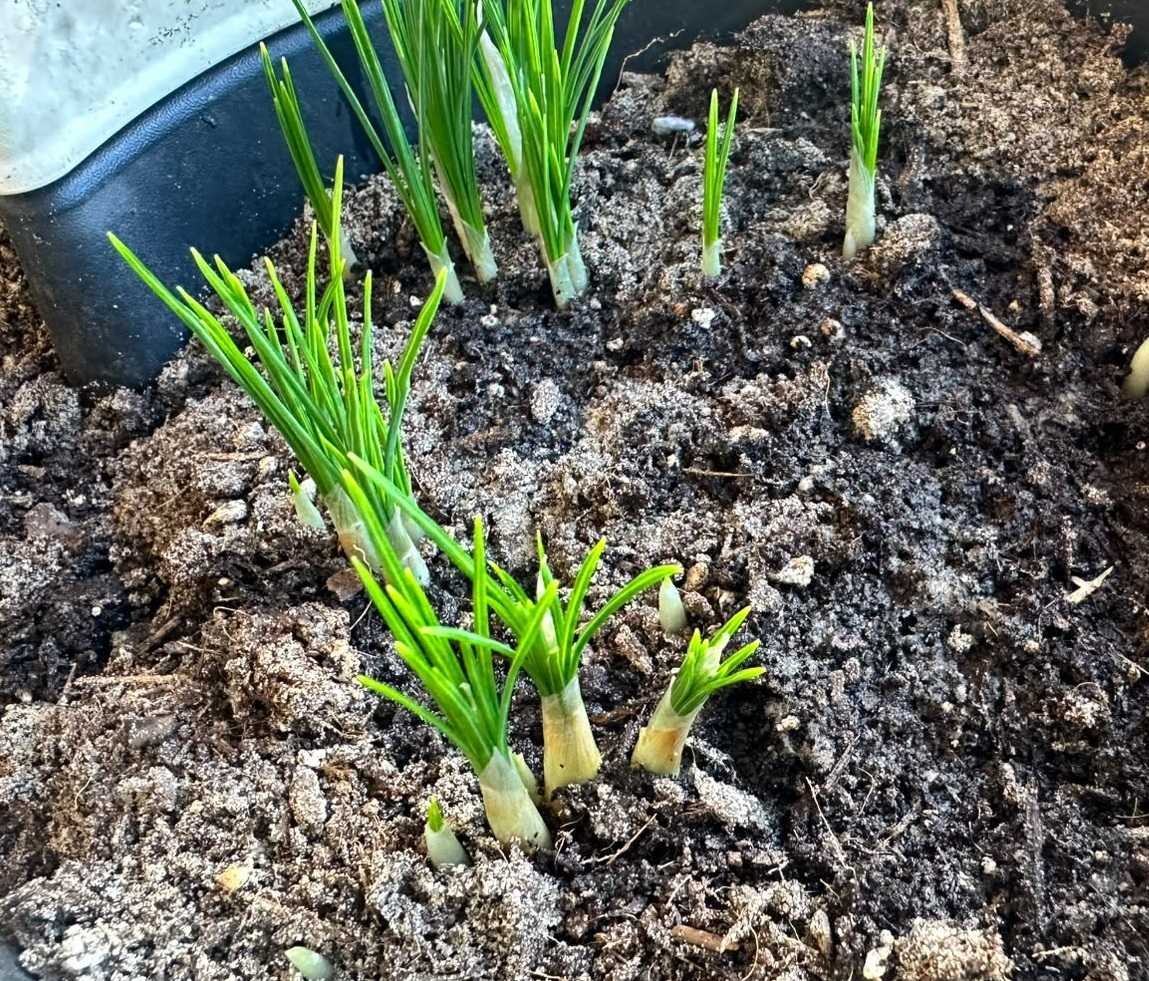
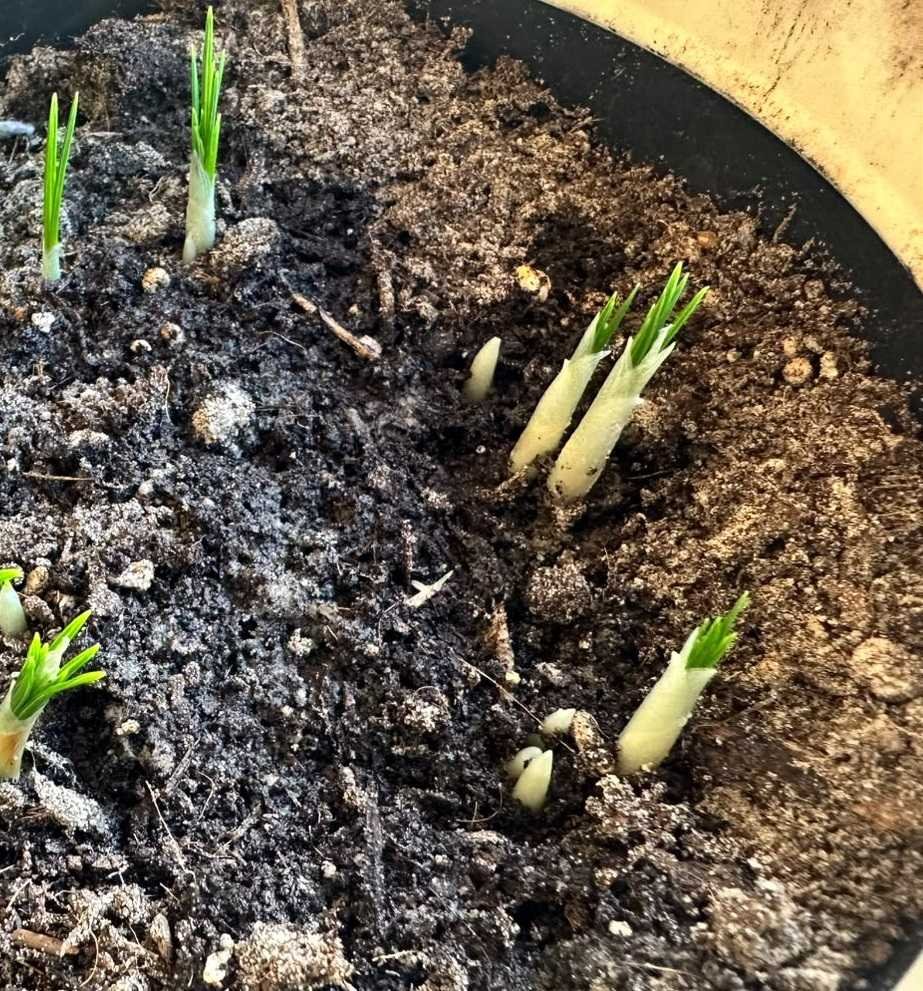
First visible emergence was recorded on 18 September. By 4 October, emergence was visible in all nine units, with heights around 1.5–6 cm.
Development across the three substrate mixtures was broadly comparable at this early stage. Larger corms showed visibly stronger emergence than smaller ones.
Four waterings had occurred since the project began, according to need after the substrate dried. The pots remained protected from rain beneath the covered terrace.
Assessment: all units reached the first visible development stage. Differences by corm size remain under observation; it is too early to judge the substrate variants.
LOG-2026-004 · First saffron flower · 8 October 2026
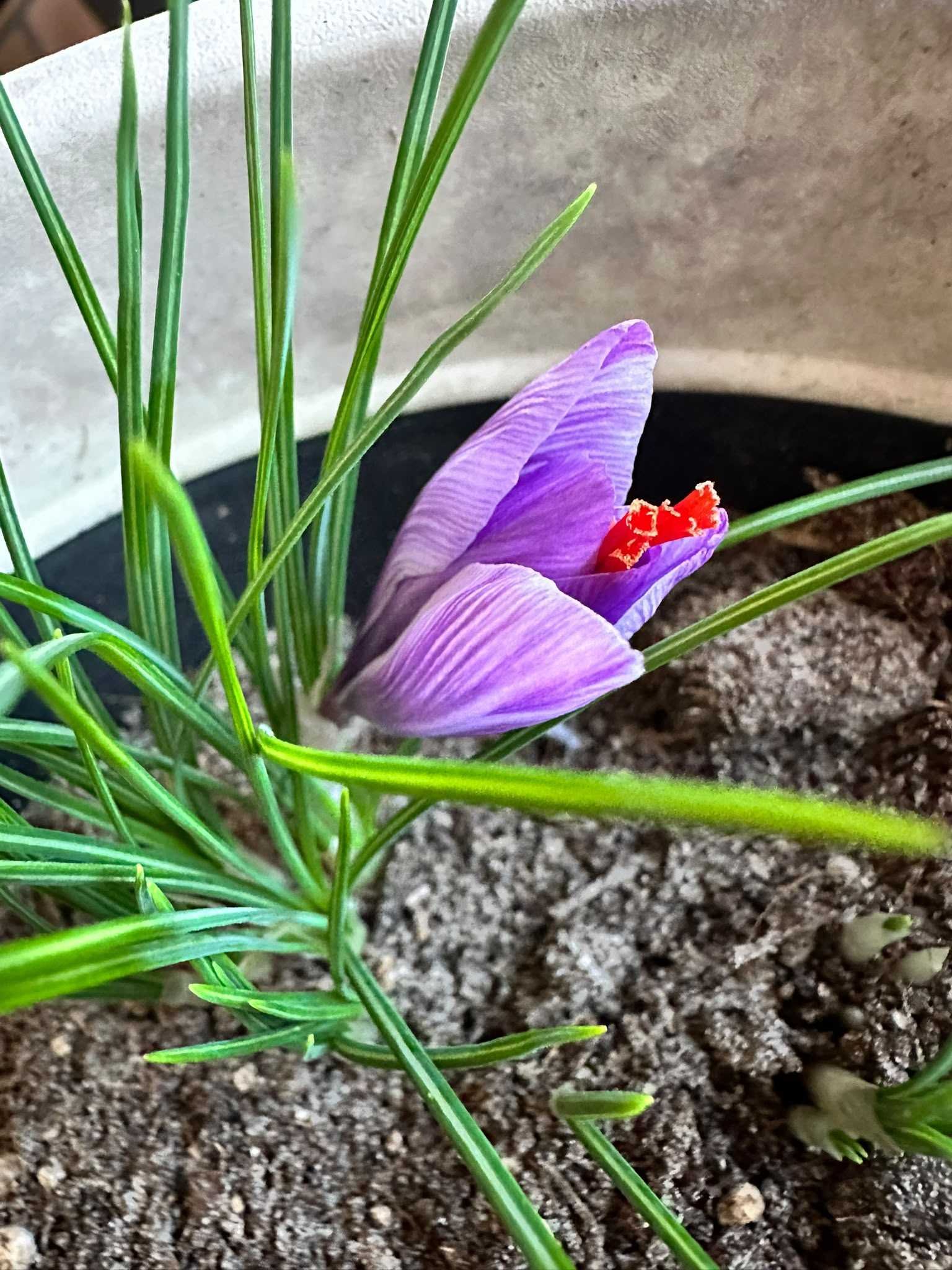
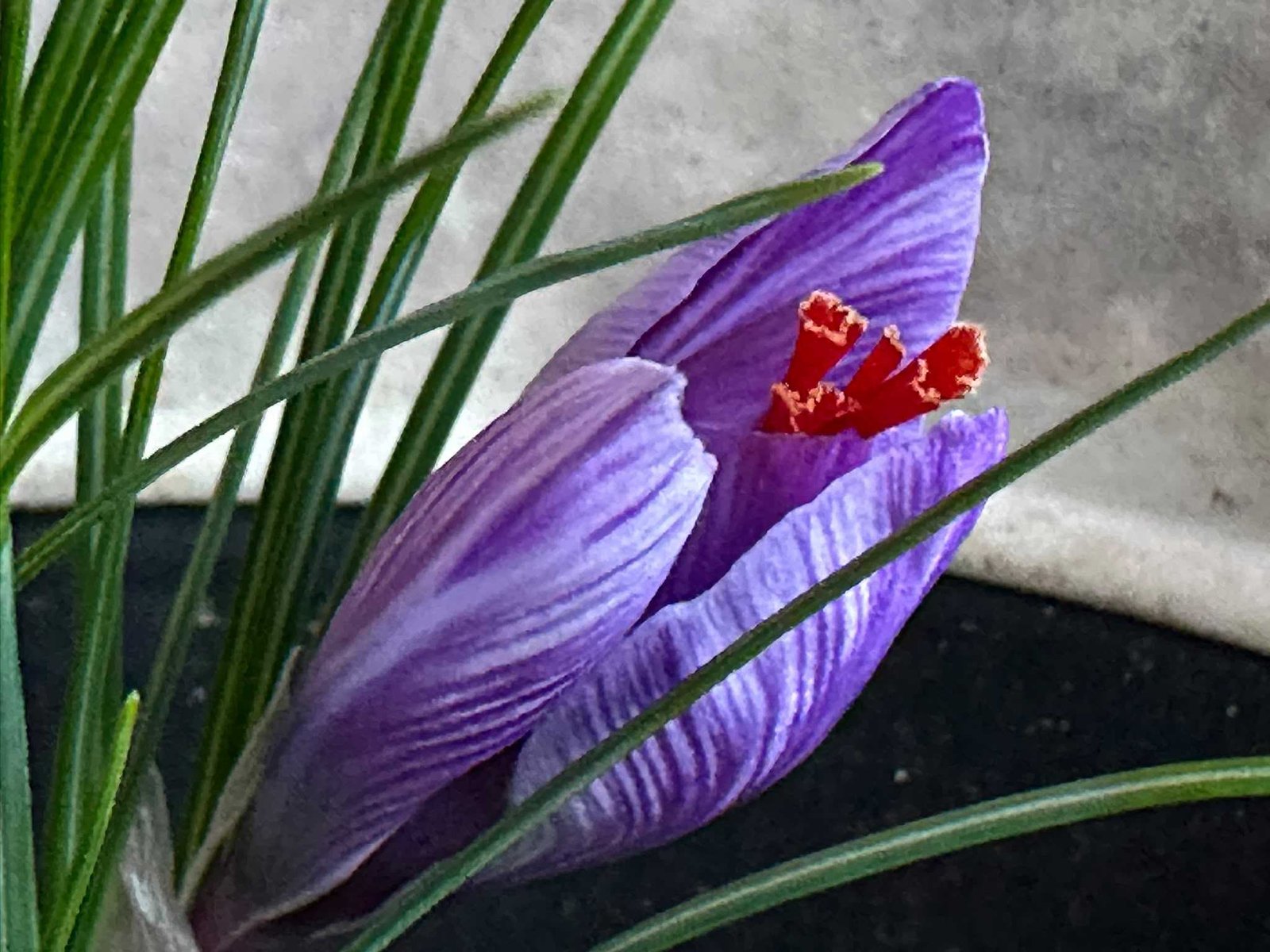
The first saffron flower in Barmstedt
Location: Barmstedt, Schleswig-Holstein. Corm origin: Afghanistan. Growing system: pot cultivation.
On 5 October 2026, the first visible signs of flower development appeared. On 8 October 2026, the first violet Crocus sativus flower opened, with its characteristic red stigmas clearly visible.
An Afghan-origin corm produced a flower in the first growing season of our trial. This documents first-season flowering under the specific conditions of our northern German site. It does not yet establish reliable yields, successful overwintering or long-term economic viability.
Next step: document further flowers and their development, then follow the plants through the coming growing seasons.
Growing saffron in Germany: reference knowledge
Site, soil, drainage and water management need to match the saffron crocus’s seasonal cycle. This section summarises horticultural sources. It is separate from what has actually been observed in our trial. Where sources differ, the differences are stated.
1. What is Crocus sativus?
True saffron comes from the red stigmas of Crocus sativus flowers. It belongs to Iridaceae, grows from a corm and reproduces through daughter or replacement corms. Each flower has three red stigmas. RHS uses about 150 flowers for one gram of dried saffron as an illustrative figure. See our Extra Class guide for post-harvest quality assessment.
2. Can saffron grow in Germany?
Yes, under suitable conditions. A sunny site, reliable drainage and moisture management that prevents persistent waterlogging are important. Saffron is studied and cultivated in conditions colder than the Mediterranean.
3. What matters in northern Germany?
Rainfall, substrate moisture and water drainage deserve particular attention. Rain protection is not universally required; excess water must drain reliably. Our pots receive direct sunlight beneath a covered terrace and no direct rain. This is our experimental setup, rather than a general recommendation.
4. Which site is suitable?
RHS recommends full sun and well-drained conditions. Different soils can work if the root and corm zone does not remain saturated. Heavy, poorly drained soils increase rot risk.
5. Which soil does saffron need?
There is no single universal “saffron soil”. Structure, permeability and drainage matter. Sources describe light to medium, well-drained soils with organic matter as favourable. Containers also need outlets for excess water. Our project compares mixtures A, B and C; the best long-term mixture at our site remains an open question.
6. Why is drainage important?
Corms do not tolerate persistent waterlogging. Drainage does not mean the substrate must always be dry: it means excess water can leave and the corm zone does not stay saturated. In wetter regions, soil structure can matter more than a fixed watering rule.
7. When should saffron be planted?
Late summer is the usual window. RHS includes September; UVM describes August or early September, while UMass describes July to mid-September. There is no single date for every location. Our Schleswig-Holstein trial was planted on 4 August 2026.
8. How deep should corms be planted?
Sources differ; recommendations often fall around 10–15 cm. RHS describes approximately 10–15 cm and its plant profile around 10 cm; a UVM home-gardening factsheet gives about 15 cm. Consider depth alongside soil, drainage, climate, container height and growing system.
9. What spacing is appropriate?
Around 10 cm is a useful starting reference for small plantings, as described by RHS and comparable home-gardening guidance from UVM. Daughter corms make a perennial planting progressively denser.
10. Does corm size matter?
Yes. Larger healthy corms have more reserves and are often preferred for establishment and flowering. Select firm, plump corms and reject soft, shrivelled or visibly diseased material. Our project records large, medium and small corms separately to follow growth and flowering differences.
11. Can saffron be grown in pots?
Yes. UVM describes beds, raised beds and containers, and RHS lists container cultivation. Pots allow greater control of substrate and drainage, but can dry and change temperature more quickly. We use pots to compare substrates under broadly comparable conditions.
12. How often should saffron be watered?
There is no reliable universal rule such as “once” or “weekly”. Rainfall, temperature, substrate, drainage, pot size and growth stage determine need. In our rain-protected trial, four waterings had occurred by 4 October 2026, according to need after the substrate had dried. That approach is part of the experiment, not yet a general recommendation.
13. When does saffron emerge and flower?
Saffron flowers in autumn, but timing depends on climate and site. RHS typically describes October flowering, which may be later in the first year. UVM records September emergence and October–November flowering under its conditions. Our first visible emergence was on 18 September 2026. All nine units showed growth by 4 October. The first signs of flower development appeared on 5 October, and the first flower opened on 8 October 2026.
14. What is the annual growth cycle?
Late summer brings planting or the end of dormancy; autumn brings emergence and flowering; winter brings leaf growth; spring brings corm development; foliage yellows in early summer; summer is the dormant period. Flowering is only one short part of the cycle.
15. What happens during winter?
The plant is not finished after flowering. Green leaves can remain through winter and into spring, supporting photosynthesis and developing daughter or replacement corms. Do not remove healthy green leaves immediately after flowering.
16. What happens in summer?
The active phase ends in early summer as leaves yellow and die back. Summer dormancy means the disappearance of foliage does not automatically indicate a dead plant.
17. Must corms be lifted every year?
No. Saffron can remain in the same site for several years. Daughter corms may eventually make the planting crowded, when division becomes useful. The best interval depends on the system and local conditions.
18. When and how is saffron harvested?
Collect flowers during autumn flowering, then carefully separate the three red stigmas. UVM recommends dry flowers where possible and gentle, timely processing. Yellow stamens are not the saffron spice.
19. How should a fresh harvest be dried?
Stigmas need thorough, hygienic drying. RHS describes gentle drying for small quantities. UVM notes that conditions influence the suitable method and that humid air can make air-drying difficult. A single temperature or duration is not universal. If our trial produces a harvest, its drying method, duration and result will be documented separately.
20. How is dried saffron stored?
Store it airtight, dry, dark and protected from heat. RHS and UVM recommend airtight storage and light protection. Avoid leaving dried saffron open in humid surroundings, where it can absorb moisture.
21. What problems can occur?
Moisture imbalance, corm rot, unsuitable planting material and feeding damage are practical risks. If plants do not emerge, consider planting date, corm condition, moisture, drainage, depth, temperature and possible animal damage together rather than assuming one cause.
22. Can you harvest in the first year?
First-autumn flowering is possible, but not every planted corm must flower. Corm size, planting date and growing conditions affect flowering. The absence of an early flower is not enough to call a perennial trial a failure.
23. How much saffron can you harvest?
Each flower produces only three red stigmas. RHS gives roughly 150 flowers per gram of dried saffron as an illustration. Actual yield depends on flower number, stigma size and drying.