
Saffron Academy · Knowledge & discovery
The Historical Roots of Saffron
From early Mediterranean cultures to European heritage: explore the origins, cultivation and historical significance of saffron.
Botany and the question of origin
Crocus sativus is a sterile, triploid plant propagated through corms. Its dependence on vegetative propagation makes human cultivation central to its history.
The wild crocus Crocus cartwrightianus is closely associated with discussions of saffron’s ancestry. Botanical origin and later centres of cultivation are different questions: the eastern Mediterranean, western Asia and the Iranian plateau all appear in accounts of saffron’s wider cultural journey.
Early evidence and interpretation
Aegean frescoes, including crocus imagery at Akrotiri, are frequently discussed in the history of saffron. Archaeological images and objects must be interpreted carefully: a depiction of a crocus is evidence of cultural attention, but does not by itself establish every detail of cultivation or use.
Saffron in ancient cultures
Minoan imagery
Crocus gathering and flower imagery offer a window into the relationship between plants, people and ceremony in the Bronze Age Aegean.
Historical medicine
Greek medical writings, including those associated with Dioscorides, discuss saffron among valued plant materials. Historical descriptions of remedies document past practices, not proof of present-day treatment benefits.
Ritual and symbolism
Colour, scent and rarity gave saffron a place in accounts of ceremonies, offerings and symbolic mixtures. The meaning of these practices depends on the culture and source being examined.
From cultivation to cultural exchange
- Botanical development: a sterile cultivated crocus became dependent on the care and propagation of its corms.
- Early cultivation: people learned to harvest and dry its small red stigmas for colour, aroma and other uses.
- Trade and transmission: exchanges between Mediterranean and western Asian cultures carried saffron, plant knowledge and recipes across regions.
Ancient plant names, artistic motifs and later retellings do not always refer to exactly the same material. Distinguish a documented source from a modern interpretation or legend.
Explore the article collection
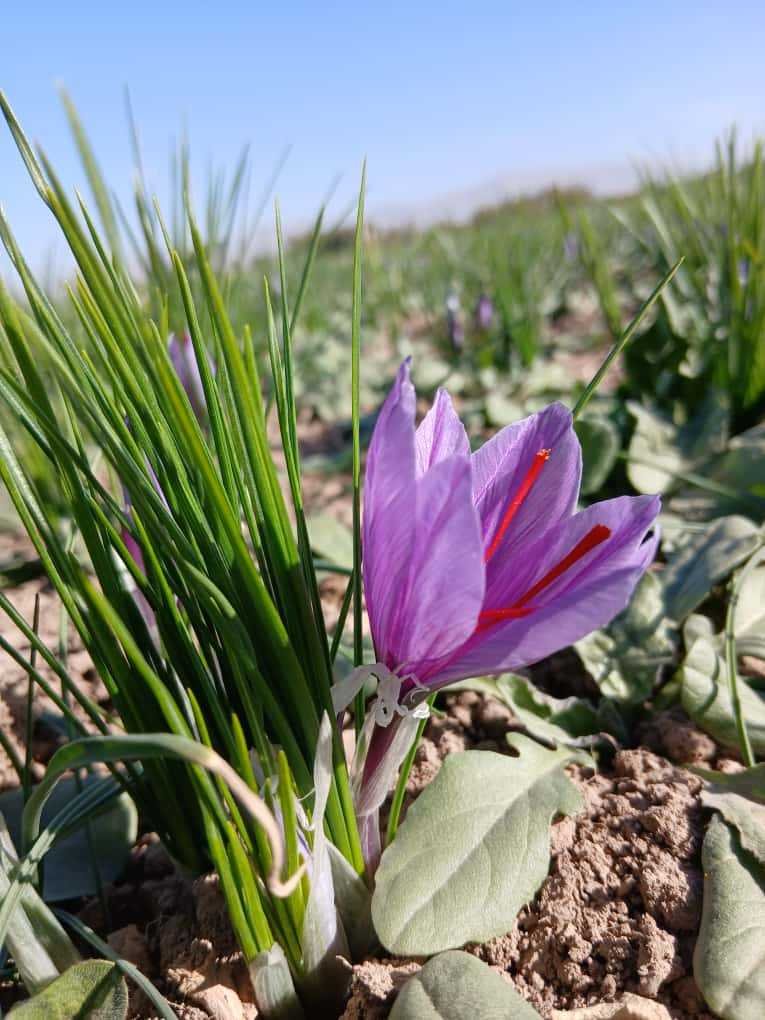
Climate Change and Saffron in Spain: Reading Harvest Data
Climate change and saffron production in Spain deserve a careful reading of both weather records and crop statistics. Heat, water availability and the timing of weather events matter to growers, but…
Read the article →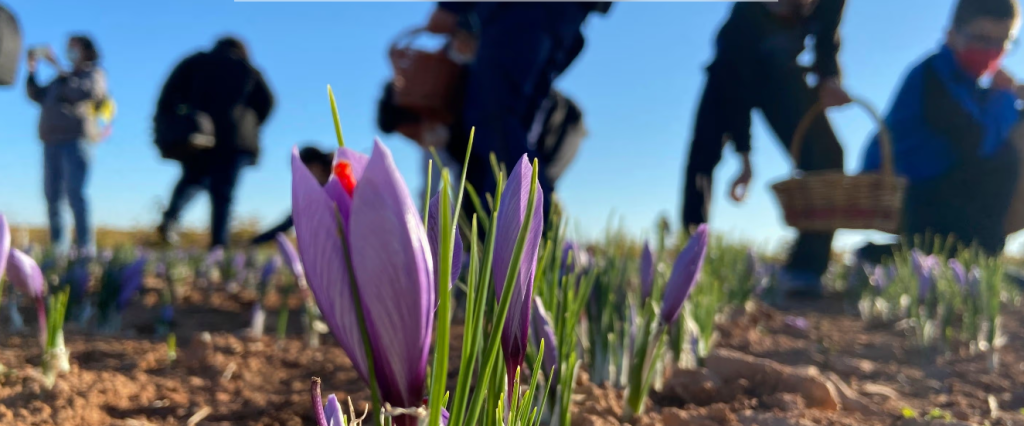
Saffron from La Mancha: Harvest, Heritage and Protected Origin
Saffron from La Mancha connects a treasured spice with a particular landscape and the people who prepare it. The purple flowers, the careful separation of red stigmas and the drying process form a…
Read the article →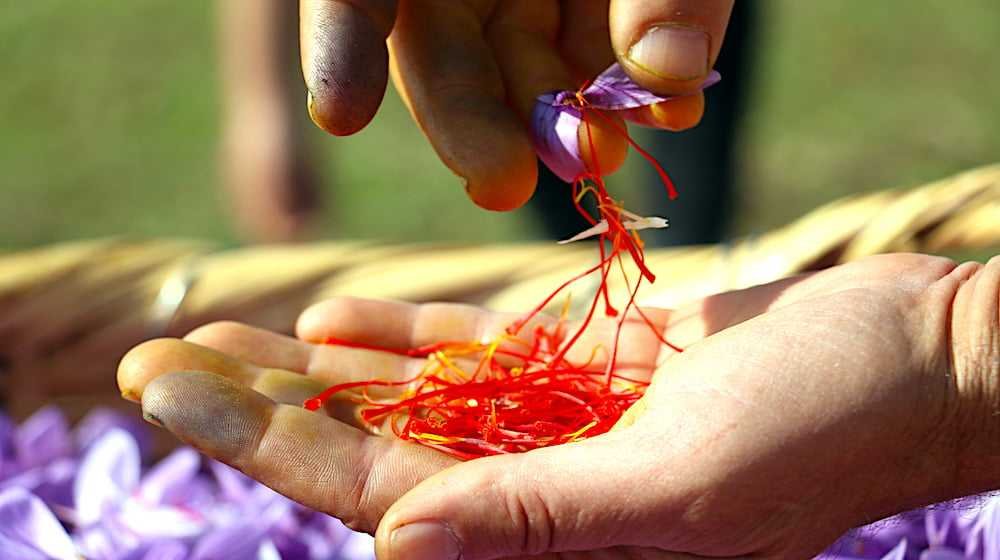
Greek Saffron: Kozani’s Harvest, History & Ancient Myths
Greek saffron brings agriculture, craftsmanship and cultural memory together. Explore the autumn harvest around Kozani, the role of its growers’ cooperative and the difference between ancient saffron…
Read the article →
Persian Saffron Café Brings Taste of Iran to Ottawa
In the heart of Ottawa, a new café is turning nostalgia into artistry. BB Café, co-founded by three Iranian expats — Sara Jelveh, Roozbeh Abbasi, and Narges Shahsavarani — has become a local…
Read the article →Explore this section
Explore the historical roots of saffron and its place in trade, food and cultural traditions, with related reading from the Saffron Academy.