



The Saffrona Academy brings together research on saffron, from clinical studies to laboratory analyses. Explore accessible explanations of findings on mood, cardiovascular health, the immune system, brain health and more. Study results depend on the preparation, dose and participants; they do not establish the same effects for saffron used in everyday cooking.
Clinical trials have investigated saffron extracts for symptoms of depression, anxiety and stress. Some findings are promising, but the strength of evidence varies and larger studies are needed. Results from specific extracts cannot be assumed to apply to culinary saffron or replace professional mental health care.
Researchers are studying saffron and its compounds in relation to blood pressure, inflammation and other cardiovascular markers. Findings depend on the study design and preparation tested. This research does not establish saffron as a treatment for heart disease or a substitute for prescribed care.
Research explores how saffron compounds interact with immune responses and inflammatory pathways. Laboratory findings help explain possible mechanisms, but do not prove that eating saffron boosts immunity, reduces fatigue or prevents illness in people.
Crocin and crocetin are being studied for their effects on inflammatory pathways and oxidative stress. Laboratory and clinical research address different questions; findings should be interpreted in the context of the preparation, dose and study population.
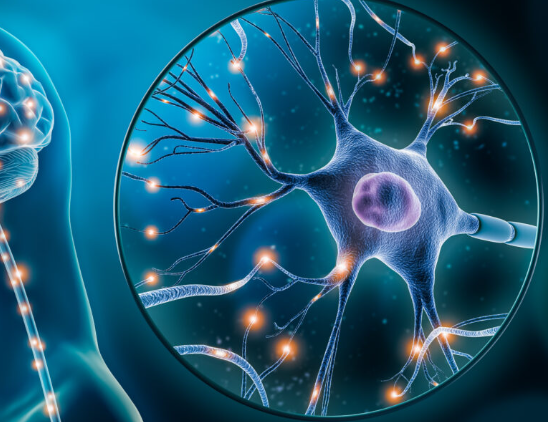
Researchers are investigating saffron compounds in relation to nerve cells, cognition and brain health. Findings from laboratory or animal studies cannot establish protection against neurological disease in humans. Clinical evidence needs to be assessed for each specific condition.
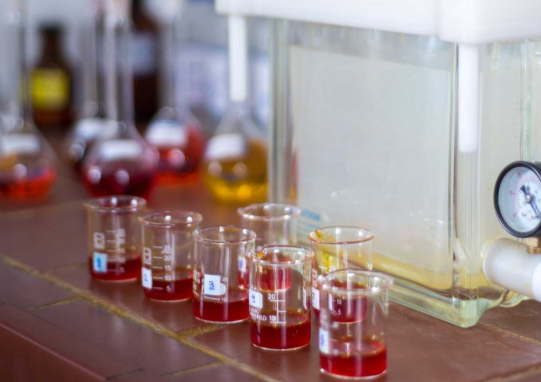
Laboratory studies examine the antioxidant activity of saffron compounds and their interactions with free radicals. These findings help researchers understand possible mechanisms, but do not by themselves demonstrate disease prevention or the same effects from culinary use.
Saffron research includes clinical trials, laboratory analyses and agricultural studies. Understanding who or what was studied, which preparation was used and how results were measured is essential to interpreting the evidence.
Research topics include mood and stress, cardiovascular markers, immune responses, inflammation, cognition and antioxidant activity. Other studies explore saffron cultivation, quality testing and extraction methods.
Saffron contains compounds such as crocin, crocetin and safranal that are of scientific interest. Researchers investigate their properties, potential applications and safety. Natural origin alone does not establish effectiveness or suitability for everyone.
Explore saffron research: crocin, safranal, laboratory analysis, authenticity and cultivation studies, with explanations of methods, findings and limitations.