
199,00 €
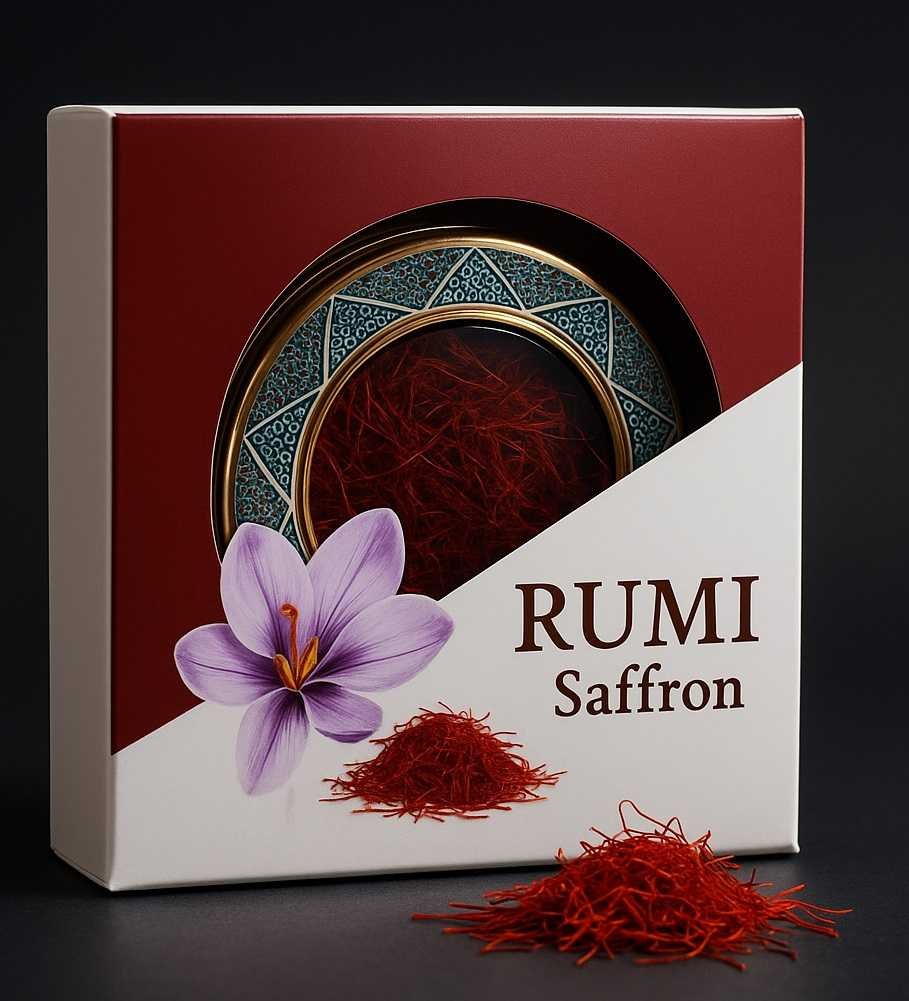
Saffrona Afghan Saffron Threads – 5 g Foodservice Pack
29,90 €
- For professional kitchens – 5 g of saffron threads for restaurants, cafés, bars and pastry kitchens.
- Documented colour strength – Crocin 279 ± 7 in Eurofins-tested batch L2025-01.
- Special Grade – Eurofins assessed batch L2025-01 under ISO 3632-1:2025, based on the tests performed.
- Pure saffron threads – 100% saffron, with no additives.
- Traceable origin – directly sourced from family farms in Herat, Afghanistan.
- Practical 5 g pack – suitable for trials and regular foodservice use.
For quantities of 50 g or more, request an individual quotation.
Afghan saffron for professional kitchens
Saffrona’s 5 g foodservice pack contains whole Afghan saffron threads for restaurants, cafés, bars and pastry kitchens. It is a practical quantity for recipe trials and regular kitchen use.
Our saffron comes from family farms in Herat, Afghanistan. Use a measured quantity and a repeatable infusion method to establish the colour, aroma and cost per serving that suit your recipes.
Colour strength and recipe cost planning
Crocin is a measure of saffron’s colouring strength. Eurofins reported a crocin value of 279 ± 7 for tested batch L2025-01.
The amount you need depends on your recipe, serving size and preparation method. Trial the saffron in your own dishes rather than assuming a fixed reduction in quantity or cost.
Documented laboratory assessment
Eurofins assessed batch L2025-01 as Special Grade under ISO 3632-1:2025, based on the tests performed. Report AR-733-2025-00206306-02 is dated 24 August 2026.
| Parameter | Reported result |
|---|---|
| Crocin – colouring strength | 279 ± 7 |
| Picrocrocin – characteristic taste | 104 ± 3 |
| Safranal – aroma-related measurement | 30 ± 3 |
| Moisture | 7.5 ± 1.2% |
These results apply to the tested batch. Request the relevant batch documentation when planning a professional order. Learn more on our saffron quality page.
Whole saffron threads for flexible preparation
Whole threads let chefs inspect the saffron visually, measure quantities and adapt infusion to each recipe. This pack contains 100% saffron threads, without additives or fillers.
Gently crush the amount needed shortly before use and infuse it in a little warm, non-boiling water, stock or milk for about 10–20 minutes. Add the infusion and threads to your dish.
Traceable origins in Herat
The saffron comes from Herat in Afghanistan. It is harvested by hand, carefully sorted and gently dried.
Saffrona works directly with family farms and a coordinated producer network. Clear origins and batch documentation help professional buyers evaluate their supply.
A practical 5 g foodservice pack
The 5 g format suits recipe development and kitchens that want to trial saffron before ordering a larger quantity. The number of service days depends on how much your recipes use.
The protective metal tin helps shield saffron from light. Keep it tightly closed in a cool, dry place, away from moisture, heat and strong odours. Check the best-before date on the pack.
Culinary uses in foodservice
Use saffron in paella, risotto, pilaw, sauces, stocks, desserts, pastries, ice cream and drinks.
Starting quantities for recipe trials
| Use | Amount per serving |
|---|---|
| Risotto / paella | 10–20 mg |
| Desserts / milk puddings | 5–10 mg |
| Drinks / saffron tea | 3–8 mg |
These are culinary trial quantities, not guaranteed serving yields. Adjust them to your recipe and desired intensity.
Who is the 5 g pack for?
This pack is designed for professional foodservice users, including:
- Restaurants and hotel kitchens
- Cafés and bars
- Pastry kitchens and bakeries
- Ice cream and dessert makers
- Beverage producers and tea bars
It offers a practical way to test recipes and plan regular saffron use.
Larger quantities and individual quotations
The 5 g pack is an introductory format for professional kitchens. For quantities of 50 g or more, request an individual quotation.
Visit our business supply page and send your volume, delivery and documentation requirements through the enquiry form.
Botanical product information
Saffron consists of the dried stigmas of Crocus sativus L., a member of the Iridaceae family.
| Botanical name | Crocus sativus L. |
|---|---|
| Plant family | Iridaceae |
| Plant part used | Stigmas |
| Stigmas per flower | 3 |
| Harvest season | Autumn |
| Harvest method | By hand |
Careful harvesting, sorting, drying and storage are central to handling saffron.
Saffrona 5 g foodservice saffron at a glance
A 5 g pack of whole Afghan saffron threads for restaurants, cafés and professional kitchens.
- Traceable origins in Herat
- 100% saffron threads, without additives
- Documented Eurofins assessment of batch L2025-01
- A practical format for recipe trials and regular use
Saffron cost per serving – 5 g pack
The table below shows the number of whole servings and the ingredient cost per serving from a 5 g pack at €29.90, depending on the amount used. Choose the quantity through recipe trials.
- Measure small recipe quantities in milligrams.
- Servings per pack depend on the amount used.
- Test colour and flavour in your own recipes.
Serving calculation: 5 g = 5,000 mg
| Amount per serving | Whole servings from 5 g | Cost per serving at €29.90 |
|---|---|---|
| 5 mg | 1,000 | €0.03 |
| 8 mg | 625 | €0.05 |
| 10 mg | 500 | €0.06 |
| 12 mg | 416 | €0.07 |
| 15 mg | 333 | €0.09 |
| 20 mg | 250 | €0.12 |
Calculation basis: 5 g = 5,000 mg; pack price: €29.90. Whole servings are rounded down and costs are rounded to the nearest cent. These figures cover the saffron ingredient only.
Recipe trial quantities
Starting quantities per serving for recipe trials:
Risotto, paella or pilaw: 10–20 mg; infuse in a little warm water or stock.
Sauces or stocks: 5–15 mg; prepare an infusion before adding to the base.
Milk puddings or custards: 5–10 mg; infuse in warm milk.
Ice cream, sorbet or cream: 3–8 mg; prepare a concentrated infusion first.
Saffron tea or drinks: 3–8 mg; infuse in warm, non-boiling liquid.
Adjust quantities and infusion times through your own recipe trials.
Frequently asked questions about the 5 g pack
How much saffron should I use per serving?
For recipe trials, start with around 10–20 mg per serving in risotto or paella, 5–10 mg in milk desserts, or 3–8 mg in drinks. Adjust the amount to the recipe, portion size and desired intensity. These figures are culinary starting points rather than guaranteed yields.
How should I prepare saffron for foodservice?
Gently crush a measured quantity shortly before use. Infuse it in a little warm, non-boiling water, stock or milk for about 10–20 minutes, then add the liquid and threads to your dish. Record the amount and infusion method for repeatable recipe preparation.
What does the crocin result tell chefs?
Crocin measures saffron’s colouring strength. Eurofins reported 279 ± 7 for batch L2025-01. The amount required in a dish also depends on the recipe and extraction method, so verify colour and flavour through your own trials.
Should I choose saffron threads or powder?
Threads allow visual inspection and flexible infusion. Powder distributes quickly and evenly. Choose the form that suits your process; this 5 g product contains whole saffron threads.
How should I store the saffron after opening?
Keep the tin tightly closed in a cool, dry place, away from light, heat, moisture and strong odours. Use clean, dry utensils and follow the best-before date and storage instructions on the pack.
How can I assess saffron quality?
Check the origin, ingredient list, batch identification and relevant laboratory report. Eurofins assessed batch L2025-01 as Special Grade under ISO 3632-1:2025, based on the tests performed. Results are batch-specific.
Why choose the 5 g format?
The 5 g format offers a practical quantity for testing recipes and regular use in smaller professional kitchens. For quantities of 50 g or more, contact Saffrona for an individual quotation.
Only logged in customers who have purchased this product may leave a review.
Reviews
There are no reviews yet.