In the quiet hills of Vermont, far from traditional saffron lands, a small farm is proving that innovation and passion can turn even snow-covered soil into fields of red gold. Claudel “Zaka” Chery and Jette Mandl-Abramson, founders of Calabash Gardens, began their journey in 2018 with a dream to merge art, ecology, and agriculture — and saffron became their perfect medium.
Originally from Haiti, Zaka brings a deep respect for farming heritage and storytelling, while Mandl-Abramson, an herbalist and small-scale grower, brings practical knowledge and a vision for sustainability. Inspired by research from the University of Vermont, they planted 2,000 saffron corms as an experiment — which soon grew into a thriving operation of 120,000 plants.
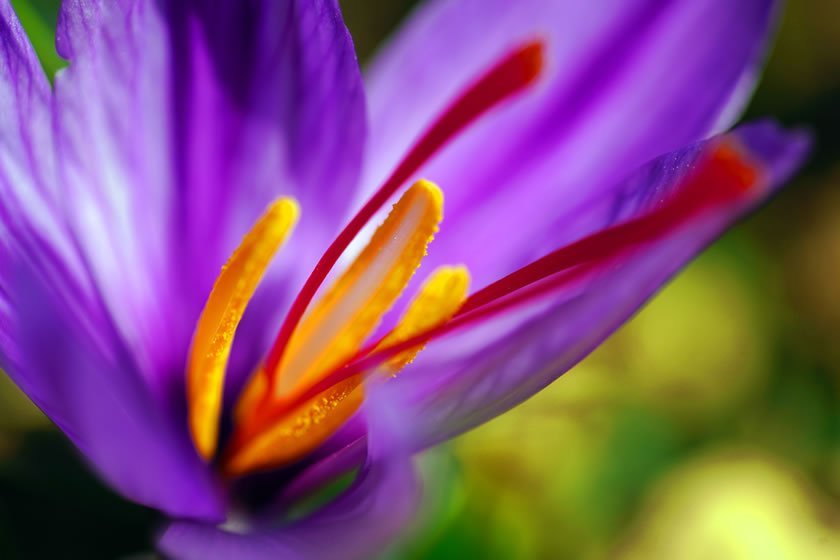
Their approach goes beyond cultivation. Every stage of production follows regenerative agriculture principles — from carbon sequestration and biodiversity enhancement to soil restoration. During Vermont’s long winters, saffron rests under snow, preparing for a short but intense bloom in October and November. Each flower yields three delicate red stigmas, hand-harvested and cured to create one of the world’s most valuable spices.
Beyond the fields, Calabash Gardens offers “Calabash Experiences,” immersive farm-to-table events where art, culture, and saffron cuisine meet. Their products — from saffron-infused honey to herbal tinctures — embody the couple’s philosophy of radical love and hospitality: to share, to include, and to connect people through the beauty of the land.
In doing so, they have not only cultivated saffron but also built a model of community-based innovation that reimagines what farming can mean in the modern world — where tradition and experimentation grow side by side.
🔗 Read the original article on VNews:
Newbury saffron farm sustains vision of experimentation